Biophilic Living Rooms
Biophilic living rooms aren’t just “pretty lounges” with a sofa and a view—they’re social ecosystems that help everyone in the home finally exhale. If the biophilic kitchen wakes up your senses and the biophilic bedroom restores your nervous system, the living room is where you regulate with others: you talk, read, relax, host, and simply exist together. At Sarah Z Designs, we see the living room as the social heart of the sensory home—where light, views, air, and materials all work together to support both connection and quiet. Here’s how to design a luxury biophilic living room that feels visually expansive, emotionally calm, and genuinely livable. This is the kind of luxury biophilic living room design we refine every day for our clients at Sarah Z Designs.
What Is a Biophilic Living Room?
A biophilic living room isn’t planned only around your sofa width and TV size—it’s designed around how your body and mind feel as the day moves on. Instead of asking, “Does this look good on camera?”, biophilic design asks questions like: How does this space feel at 8 a.m. with a coffee in hand? At 3 p.m. on a work-from-home day? At 9 p.m. when the house finally quiets down?
As with kitchens and bedrooms, biophilic living rooms use nature as a blueprint:
Daylight and views that anchor you in time and place.
Airflow and acoustics that keep conversations easy and fatigue low.
Materials and textures that feel honest, warm, and grounded.
Layered lighting that adapts to reading, hosting, or unwinding.
Technology that supports life but doesn’t dominate the room.
When it’s done well, a biophilic living room doesn’t just look inviting—it behaves like a gentle, responsive backdrop for everyday life.
Light, Views, and Visual Depth
In a living room, light and sightlines set the emotional tone. You want enough brightness for activity, but also softness and depth so the room never feels flat or harsh.
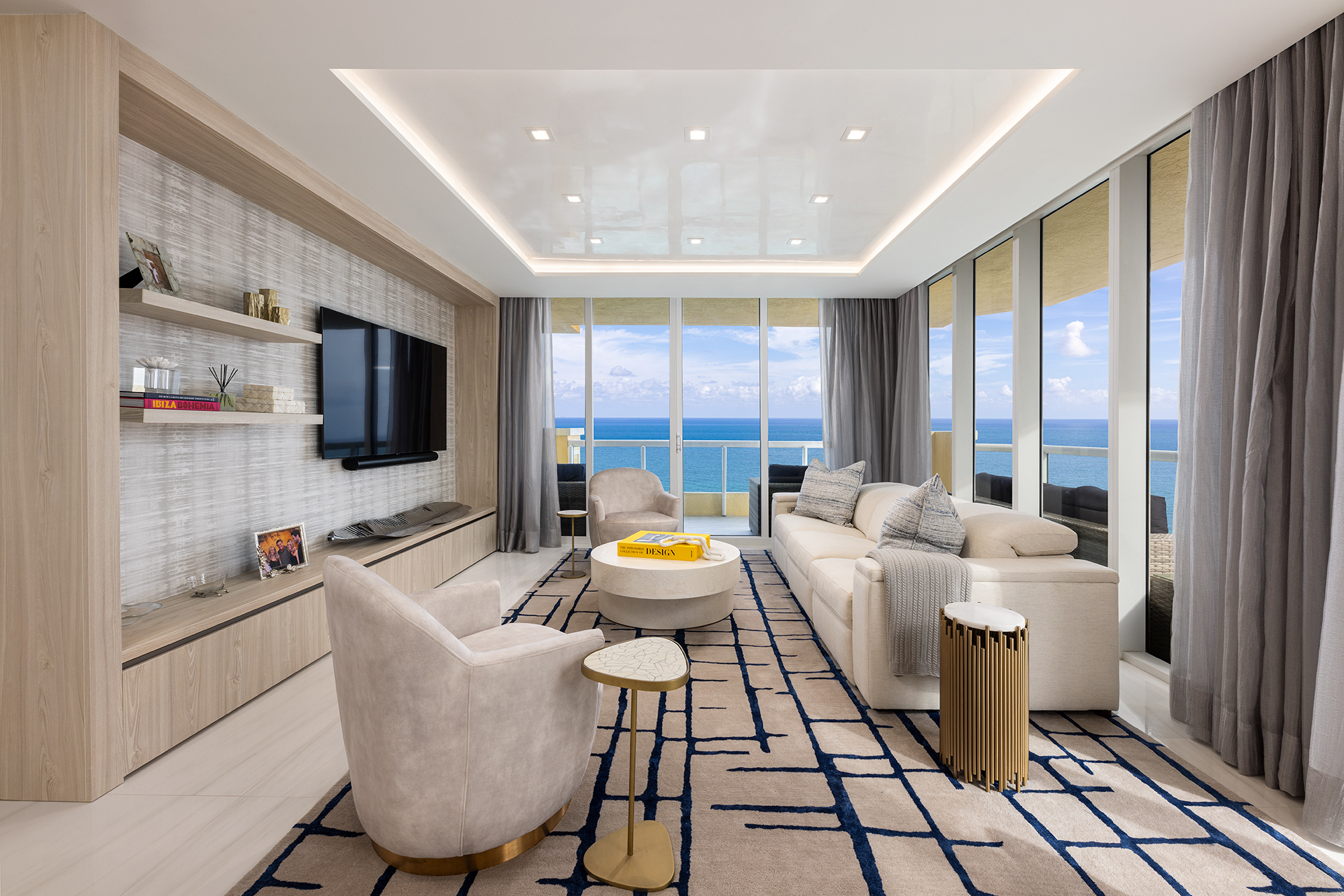
Daylight as a backbone: Arrange main seating so you can enjoy your best natural light without sitting directly in glare. Perpendicular layouts to windows often work better than facing them straight on.
Layered window treatments: Sheer curtains soften direct sun and make daylight feel more even, while heavier drapes add privacy and a cocooning effect at night. Together, they let you tune the light instead of just blocking it.
Borrowed landscape: Frame views of trees, sky, water, or even a single potted tree on a balcony. If you’re in a dense city, a curated view of planters, a small courtyard, or a textured green wall can stand in for a garden.
Visual depth inside: Use art, shelving, and carefully placed mirrors to create layers of depth that draw the eye past a single flat wall. Avoid over-cluttering; a few substantial, nature-inspired pieces usually work better than many small, busy ones. If your living room has strong western exposure, consider exterior shading, overhangs, or an extra layer of sheers to soften late-afternoon glare while preserving views—an important detail in any biophilic living room design.
The goal is a living room where your eyes can travel: from a comfortable seat, out toward greenery or sky, and back across textures and artwork that feel calm rather than chaotic.
Airflow, Acoustics, and Comfort for Conversation
Living rooms host conversations, quiet reading, and movie nights. Air and sound should support all of that—not compete with it.
Natural ventilation where possible: Operable windows or doors to a terrace give you the choice of fresh air instead of relying only on mechanical systems. Pair them with light, breathable window treatments so air can move easily.
Gentle, even airflow: A ceiling fan on low, discreet vents, and a well-balanced HVAC system help prevent hot, stale corners without blowing directly on seating. People shouldn’t feel drafts; they should simply feel comfortable.
Acoustic softness: Sofas, rugs, upholstered chairs, fabric wall art, and full-length drapes all help absorb sound. In open-plan homes, consider adding acoustic panels disguised as art or softening hard surfaces with textiles and plants.
Zoning noise: If your living room shares space with a kitchen or entry, use rugs, screens, or furniture placement to “buffer” high-traffic areas from the quieter core seating zone.
Think of your biophilic living room as a calm pocket in the middle of everyday noise—where voices sound warm instead of echoey, and where the room quietly holds sound rather than amplifying it.
Materials, Texture, and Palette in Shared Spaces
Because the living room is so heavily used, materials need to be both sensory and practical.
Underfoot: Wood, matte-finish stone, or natural-fiber rugs help the room feel grounded. Layering a softer rug over a hard surface adds warmth and comfort, especially in key conversation areas.
On seating: Choose fabrics that feel soft and that age gracefully—linen, cotton, wool blends, or performance fabrics with a matte finish. Avoid overly shiny or stiff textiles that feel “formal but untouchable.”
At the touchpoints: Coffee tables, side tables, and armrests are constant contact points. Consider wood with subtle grain, honed stone, or textured ceramics that feel solid and reassuring underhand.
Color palette: Borrow from natural scenes you genuinely love—sun-bleached neutrals, coastal tones, forest greens, desert taupes. In the living room, it’s often easiest to keep the base palette calm and bring in color through art, books, and a few carefully chosen objects.
In a biophilic living room designed for real life, nothing feels too precious to touch. The space invites you to sit, lean, curl up, and stay.
Layout, Social Behavior, and “Conversation Arcs”
How you place furniture can either invite connection or make the room feel like a waiting area. Biophilic living rooms favor layouts that support both eye contact and easy movement.
Conversation arcs instead of rows: Arrange seating in gentle curves, L-shapes, or U-shapes so people can see each other without twisting awkwardly. Pointing everything toward the TV by default often flattens the social energy.
Clear circulation paths: Make sure people can cross the room without walking right through the middle of the seating cluster. This keeps the room feeling calm and functional, especially when you’re hosting.
Multiple “micro-zones”: Where space allows, carve out a reading nook by a window, a smaller secondary chair-and-side-table vignette, or a game table. Each mini-zone becomes an invitation for a different type of rest or connection.
Balancing views: Consider the three main focal points—outdoor views, art, and the media wall—and decide intentionally which one you want to lead. A biophilic living room often allows nature or art to take precedence, with media present but secondary.
A good layout feels intuitive: you walk in and instantly know where to sit, where to put your drink, where to set down your book, and how to move around others without friction.
Technology, Media, and Visual Quiet
Biophilic design doesn’t ban screens—it simply keeps them from running the room.
Discreet media integration: Recessed or framed TVs, cabinetry that can close, or media walls that integrate art and storage prevent the “black rectangle” from dominating the view when it’s off.
Managed cables and devices: Hidden cable routing, built-in charging drawers, and designated tech zones keep visual clutter from undercutting the calm. When technology has a clear home, it stops shouting for attention.
Lighting controls: Scene-based lighting (for reading, hosting, movie night) lets you shift the room’s mood quickly without juggling multiple remotes or apps.
The idea is simple: technology should be available when you need it, not visually “on” all the time. The room should read as a human space first, a media space second.
Everyday Rituals: How You Actually Use the Room
Your rituals are what make the living room feel like home. A biophilic living room is designed around those rituals on purpose.
Morning rituals: A favorite chair near the best light, a side table for coffee and a book, a throw blanket within reach—these details make it easy to start the day feeling grounded.
Afternoon reset: A place where you can stretch, read, or simply lie down for ten minutes can be built into the furniture plan—a chaise, a window bench, or a deep sectional corner.
Evening gatherings: Surfaces for drinks and snacks, soft layered lighting, and enough seating so no one ends up stranded on the floor all matter more than perfectly styled cushions.
Nature brought inside: A spot for weekly flowers, branches, or a statement plant keeps the room feeling alive and seasonal. A small tabletop fountain or the sound of a nearby garden can add a gentle acoustic layer.
The most successful biophilic living rooms don’t just look curated—they make it easier for you to live the way you say you want to live: with more connection, more presence, and more genuine rest.
Biophilic Living Room Design Checklist: Layout, Light, Materials, and Wellbeing
Layout
Arrange seating in arcs or clusters that support conversation, not just screen-watching.
Maintain clear walking paths that don’t cut directly through the center of the room.
Carve out at least one secondary nook (reading, games, or quiet work) if space allows.
Balance focal points between views, art, and media with intention.
Light
Give priority to daylight access for main seating zones.
Layer sheer and opaque window treatments for flexible light control.
Combine ambient, task, and accent lighting with warm, dimmable fixtures.
Avoid harsh overhead-only lighting that flattens the room at night.
Materials
Use natural, tactile finishes at key touchpoints (sofas, tables, handles, rugs).
Keep large surfaces (walls, main upholstery, big rugs) in a calm, cohesive palette.
Introduce pattern and color through art, books, cushions, and smaller pieces.
Choose durable, easy-to-clean materials that can actually handle daily life.
Air and Sound
Include operable windows where possible, or design mechanical systems for quiet, even airflow.
Layer rugs, textiles, and soft finishes to absorb sound in open spaces.
Consider acoustic solutions if you have double-height ceilings or many hard surfaces.
Wellbeing and Ritual
Assign a clear home for devices, remotes, and chargers to keep visual clutter down.
Design at least one spot that feels like “your place” to sit, read, or have coffee.
Integrate greenery, flowers, or natural objects that can be refreshed over time.
Make it easy to reset the room at the end of the day—storage, trays, and surfaces that tidy quickly.
At Sarah Z Designs, we treat the living room as the social nervous system of the home—the place where the sensory home becomes visible in daily life. When your kitchen, bedroom, and living room are all designed through a biophilic lens, the entire home begins to feel more coherent, grounded, and alive. Our Sarah Z Designs biophilic living rooms are always conceived as part of a holistic sensory home, not as isolated showpieces. If you’re ready to transform your living room into a calm, connected, and deeply livable biophilic space, book your design consult and let’s begin shaping a sensory home that truly supports the way you live.