
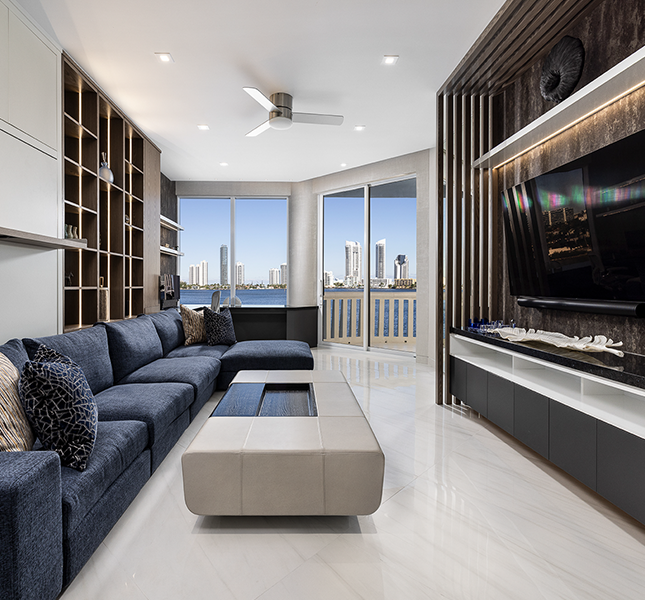
Post-Milan Trends: Embracing Tactile Minimalism in Modern Interior Design
In the wake of the transformative exhibitions across the 2026 Milan palazzos, the global luxury interior design landscape has experienced a profound awakening. We are witnessing the definitive end of flat, clinical interiors that once dominated the modern aesthetic narrative. In their place rises a new era of material substance, characterized by a sensory-rich, form-driven philosophy.
True luxury is no longer defined by superficial, applied ornamentation. Instead, the modern luxury paradigm relies upon the intrinsic weight, authentic texture, and dramatic silhouette of raw materials. Central to this evolution is the philosophy of tactile minimalism in interior design, an approach that establishes environments demanding to be physically touched, felt, and intimately experienced. This profound design movement serves as the perfect, grounding antidote to the pervasive digital fatigue of our modern age, offering a tangible sanctuary that delights the senses and anchors the human spirit.
Monolithic Marvels: The Architecture of Sculptural Tables
The most immediate structural trend to emerge from recent European exhibitions is the triumphant rise of massive, monolithic dining and coffee tables. These commanding forms now serve to anchor contemporary open-concept residential layouts, replacing delicate, multi-legged furniture with solid blocks of earthly gravitas. Leading design showcases have heavily prioritized unpolished stone, rugged raw travertine, and intensely textured volcanic rock over the highly polished, glassy surfaces of yesteryear.
The spatial impact of these heavy, sculptural anchor pieces is absolutely transformative. They act not merely as furniture, but as functional art installations. By introducing these monolithic elements into a space, designers bring a grounded sense of permanent architecture and raw gravity directly into the center of the residential estate, establishing an undeniable focal point around which daily living seamlessly revolves.
The integration of these monolithic marvels demands an exacting eye for spatial balance and proportional harmony. When an immense slab of raw, porous stone is positioned within an airy, sun-drenched living room, the resulting architectural tension is magnificent. The sheer visual weight of the stone roots the entire room, counterbalancing soaring ceilings and expansive glass facades. Such pieces invite touch; their cool, uneven surfaces tell a geological story that spans millennia.
This tactile engagement is the very essence of modern luxury, where the authenticity of the material itself is celebrated without the need for artificial embellishment. The resulting environment feels timeless, deeply rooted in the earth, yet undeniably forward-looking in its uncompromising, minimalist execution.
The Chrome Renaissance: Tubular Steel and High-Gloss Accents
Simultaneously, the post-Milan landscape has championed an unexpected yet highly welcome material evolution: the chrome renaissance. We are seeing a triumphant return of polished tubular steel and space-age chrome silhouettes, deeply inspired by meticulous mid-century modern re-editions showcased across international design capitals. This highly reflective, flawless material introduces a brilliant aesthetic tension when juxtaposed against the new wave of highly textured, matte organic materials.
Balancing the cold, industrial precision of chrome dining chairs, sweeping cantilevered frames, and sculptural lighting fixtures against ultra-soft, matte architectural backdrops proves that high-contrast metallic lines can profoundly enhance clean interior geometry. When applying these brilliant metallic accents within sprawling coastal estates, the reflective properties of chrome act as secondary light sources, bouncing the radiant natural sunshine throughout the interior spaces.
This creates an environment of perpetual movement and shimmering vitality. To witness the masterful execution of this aesthetic tension, one need only explore our curated Sarah Z Designs portfolio, where the interplay of cool metals and warm, inviting textures creates a symphony of sophisticated contrasts. The inclusion of polished tubular steel is not a regression to stark modernism, but rather a deliberate layering technique that sharpens the visual impact of the surrounding organic elements, making the soft materials feel even softer and the natural stone appear even more rugged.
Unexpected High-Gloss: Lacquer Finishes Applied to Soft Textiles
Perhaps the most avant-garde narrative to captivate the imagination of global design connoisseurs is the innovative application of unexpected high-gloss finishes. One of the most talked-after trends from the recent Italian showcases was the daring application of liquid-look lacquer finishes to unexpected structural elements and historically soft fabrics. This creates an entirely new category of sensory experience within the luxury home.
We are exploring the tactile contrast of hard, reflective sheen paired directly with heavy, woven textures. Imagine deeply coated bouclés, high-gloss resins poured over natural fibers, and lacquered architectural panels that reflect the room like a dark, still pool of water. This dramatic juxtaposition creates a highly dynamic play on light and shadow throughout the home.
During the day, the high-gloss surfaces capture and distort the natural sunlight, throwing fascinating reflections across matte walls and ceiling planes. By night, these same surfaces catch the warm, ambient glow of architectural lighting, introducing a moody, cinematic quality to the interior atmosphere. This method of layering sheen over texture represents the pinnacle of tactile minimalism in interior design, as it relies entirely on the inherent qualities of the finish rather than an abundance of decorative objects to generate visual interest and luxury appeal.
Raw and Open-Pore: The Unpolished Truth of Wood and Stone
To fully embrace the tactile minimalism movement, one must subscribe to the new finishes manifesto: the definitive, absolute rejection of synthetic-looking seals and high-build polyurethane topcoats. Contemporary luxury millwork now unequivocally demands open-pore, brushed timbers. Think of deeply wire-brushed dark oak, untreated raw walnut, and fumed ash that retains its original, fibrous texture. These breathtaking woods are then purposefully paired alongside completely matte, unfilled travertines and rugged limestones.
The biophilic value of this approach is immeasurable. By honoring the natural imperfections, the knots, the burls, and the authentic grain of organic matter, we allow the porous cavities of the stone and the tactile ridges of the wood to scatter incoming natural light into a soft, beautifully diffused glow. These raw, unpolished materials breathe life into a space. They establish an undeniable connection to the natural world outside, which is particularly essential in high-rise, ultra-luxury environments where the organic world might otherwise feel distant.
When residents run their hands across a bespoke dining table or custom kitchen cabinetry, they feel the history of the forest and the earth. Such profound connections to nature are a hallmark of our design philosophy, elegantly demonstrated within the extensive residential projects found in our Sarah Z Designs portfolio. This commitment to raw authenticity ensures that each home remains a timeless sanctuary, immune to the fleeting nature of superficial design trends.
Material Synergy Overview
Material Category | Post-Milan Aesthetic | Tactile Sensation | Interior Function |
Architectural Stone | Unfilled, matte travertine and volcanic rock | Porous, rugged, naturally cool | Monolithic anchoring and spatial gravity |
Metals | Polished tubular steel and high-gloss chrome | Smooth, cold, ultra-reflective | Geometric contrast and light distribution |
Textiles & Finishes | Lacquered fibers and coated bouclés | Unexpectedly slick over heavy weave | Dynamic light play and avant-garde luxury |
Millwork | Open-pore, wire-brushed dark oak and walnut | Deeply textured, warm, authentic | Biophilic connection and light diffusion |
Sculptural Seating: Form Over Ornamentation
The evolution of furniture design post-Milan 2026 heavily emphasizes seating silhouettes that function as autonomous sculptures. Linear, predictable sofas have transitioned into fluid, anthropomorphic shapes that hug the human form while asserting a powerful graphic presence in the room. These pieces rely entirely on their contoured volume rather than applied decorative patterns to command attention.
Textile applications on these sculptural seating arrangements prioritize three-dimensional tactile depth. Heavy bouclés, tightly woven wool-resins, and deeply textured shearling fabrics are wrapped tightly around curved frames to accentuate their geometric contours. This intense focus on upholstery texture invites an immediate physical connection, making the act of sitting a deeply immersive, sensory experience.
When integrating these organic seating forms into luxury residential layouts, Sarah Z Designs uses them to break up the rigid lines of traditional modern architecture. Placing a curved, continuous chaise or an enveloping structural armchair against a backdrop of floor-to-ceiling glass creates an instant visual dialogue. The soft, flowing contours balance the hard, linear glass planes, establishing an atmosphere of sophisticated, livable calm.
Architectural Continuity: Monolithic Floors and Seamless Transitions
Tactile minimalism extends far beyond furniture to encompass the foundational surfaces of the home. Post-Milan trends showcase a shift toward large-scale, monolithic flooring options like unpolished travertine tiles or micro-cement over high-gloss finishes. These continuous, seamless floor surfaces erase visual clutter, creating an uninterrupted plane that expands the perceived volume of the residence.
This continuity of material eliminates traditional thresholds, allowing spaces to flow effortlessly from the entry foyer through to the main living zones. By utilizing low-specularity stone finishes, the floor surface softly absorbs incoming light, minimizing the clinical reflections often found in ultra-modern condominiums. The resulting environment feels deeply grounded, stable, and unified under a singular design language.
Furthermore, this seamless application creates the ultimate canvas for displaying sculptural furniture. When a monolithic table or an avant-garde chrome chair sits upon a continuous, textured floor, its form is elevated rather than lost in a sea of busy patterns. This meticulous attention to the underlying architectural envelope ensures that the entire property acts as a cohesive masterwork of interior engineering.
The Geometry of Lighting: Softening the Tactile Matrix
In a design ecosystem focused on tactile minimalism, the engineering of interior lighting must adapt to enhance raw textures without creating harsh highlights. Contemporary lighting design prioritizes low-glare, recessed LED fixtures hidden deep within plaster coves or architectural reveals. This strategic concealment ensures that the light source remains completely invisible, casting a soft wash that highlights the raw grain of wood and stone.
The interaction between light and textured surfaces is critical for establishing a soothing emotional baseline. When soft light rakes across a wire-brushed timber wall or an unfilled stone column, it accentuates the depth of the material’s natural crevices. This dynamic interplay creates shifting shadows throughout the day, mirroring the subtle movements of the outdoor environment and enhancing psychological comfort.
By replacing traditional, over-embellished chandeliers with minimal, geometric light installations, the focus remains strictly on the room’s structural form. Linear brass suspensions or matte-black sculptural pendants are deployed sparingly, acting as precise focal points over dining tables or kitchen islands. This disciplined approach ensures that the lighting serves a dual purpose: providing functional illumination while accentuating the home’s tactile architecture.
Spatial Volumetrics: Expanding the Minimalist Horizon
The philosophy of tactile minimalism inherently alters how space itself is perceived and inhabited. By removing unnecessary decorative partitions and columns, the interior layout maximizes open-concept volumetric expansion. This structural openness is crucial for ultra-luxury residential properties, where the sheer abundance of unobstructed space is considered the ultimate expression of opulence.
Within these grand architectural volumes, the arrangement of furniture must be highly strategic to maintain a sense of human scale and intimacy. Sarah Z Designs solves this by creating self-contained, sensory-driven zones defined by heavy monolithic anchors rather than physical walls. A massive stone table or a grouped sculptural seating arrangement naturally defines a gathering area, maintaining spatial clarity while preserving the home’s open rhythm.
This careful balance of immense open volume and intimate, tactile clusters transforms the residence into a highly functional living environment. The mind is allowed to move freely without encountering visual obstructions, which significantly reduces cognitive fatigue. The home becomes a true sanctuary for focus and mental rejuvenation, tailored to meet the lifestyle demands of an international clientele.
High-Contrast Haptics: Layering Opposing Textures
The true art of tactile minimalism relies on mastering the delicate balance of high-contrast haptics. Layering materials with completely opposing physical properties—such as cold, mirror-polished chrome against warm, coarse-grained oak—creates a compelling sensory tension. This intentional contrast ensures that neither material feels monotonous, elevating the luxury quotient through thoughtful juxtapositions.
For instance, placing a slick, high-gloss lacquered panel directly alongside a porous, unpolished limestone wall plane generates a fascinating play on specularity. The reflective surface captures the textured stone’s silhouette, blurring the boundaries between light and substance. This sophisticated layering technique ensures that even a monochromatic color palette remains visually engaging, relying on tactile depth rather than color variety to create interest.
This haptic narrative is executed with absolute precision across Sarah Z Designs’ portfolio, ensuring that every touchpoint within the residence offers an explicit sensory reward. From the heavy weight of a custom stone door handle to the soft weave of a wool-clad wall panel, every material is chosen for its ability to communicate quality. This meticulous approach ensures that the luxury home feels unified, deeply considered, and entirely authentic.
Longevity and Patrimony: Investing in Tangible Luxury
Investing in a home engineered with tactile minimalism offers significant long-term real estate advantages. Flat, trendy decors and synthetic materials tend to depreciate quickly as styles evolve, whereas raw stones, natural timbers, and high-quality metals possess an enduring aesthetic value. These materials age gracefully, developing an organic patina that enhances their beauty and historical provenance over time.
In the competitive luxury property markets, discerning buyers actively look for estates that display built-in structural integrity and timeless material selection. A home constructed around monolithic architectural forms and authenticated natural materials stands out as a reliable heritage asset. It transcends passing seasonal fads, commanding a premium appraisal value due to its exceptional craftsmanship and emotional durability.
Ultimately, the embrace of tactile minimalism represents a permanent shift toward authentic material stewardship and neuro-optimized spatial design. By eliminating superficial excess and focusing on how materials resonate with human biology, designers can craft properties that appreciate in both emotional and financial equity. It is a sophisticated investment in long-term well-being, providing an enduring sanctuary that supports the way people truly want to live.
Frequently Asked Questions
1. What exactly defines tactile minimalism in interior design?
Tactile minimalism in interior design is a sophisticated aesthetic philosophy that eliminates excessive clutter and applied ornamentation in favor of focusing intensely on the sensory qualities of raw materials. It relies on the inherent textures, weights, and finishes of elements like open-pore wood, raw stone, and sleek metals to create visual interest and establish a deeply luxurious, grounding environment without visual noise.
2. How do monolithic tables improve open-concept living spaces?
Monolithic tables act as powerful architectural anchors within vast open-concept living spaces. By utilizing massive, unpolished blocks of stone or wood, these pieces introduce a sense of gravity and permanence. They organize the spatial flow, drawing the eye and centering the room’s energy around a singular, highly textured focal point that doubles as functional sculptural art.
3. How does Sarah Z Designs incorporate these post-Milan trends into local estates?
Sarah Z Designs masterfully adapts these high-concept European movements for the unique coastal architecture of the region. By carefully selecting low-specularity raw stones and open-pore woods, the studio successfully balances the intense coastal sunlight. Sarah Z Designs grounds sky-high residential architecture with heavy monolithic forms, ensuring each custom interior remains a deeply authentic, sensory-driven retreat.
4. Can high-gloss chrome finishes successfully blend with warm, organic aesthetics?
Absolutely. The strategic inclusion of high-gloss chrome and polished tubular steel creates a brilliant aesthetic tension when paired with warm, matte, and organic materials. This contrast highlights the softness of open-pore woods and natural textiles, preventing the organic aesthetic from feeling overly rustic while injecting a sharp, sophisticated, and distinctly modern edge into the interior geometry.
5. Why are open-pore wood finishes currently preferred over heavily sealed surfaces?
Open-pore wood finishes are preferred because they celebrate the raw, unpolished truth of the material. By rejecting synthetic-looking seals, contemporary interior design honors the natural imperfections and authentic grain of the wood. This approach not only provides immense biophilic value but also allows the textured surface to scatter incoming light softly, creating a warm, inviting, and highly tactile environment.
6. How does lighting design interact with tactile minimalist interiors?
Lighting in tactile minimalist interiors is engineered to highlight raw material textures rather than creating distracting glare. By utilizing hidden, low-glare LED fixtures and deep ceiling coves, light washes across wire-brushed woods and unpolished stones at an angle, accentuating their natural crevices and deep physical contours while lowering visual fatigue.
7. Why is the elimination of synthetic seals crucial for biophilic design?
Eliminating high-build polyurethane topcoats allows the natural, porous surfaces of timber and stone to remain completely exposed. This preserves the haptic reality of organic materials, allowing inhabitants to feel the authentic ridges and natural warmth of the wood, which strengthens the psychological and biological connection to the natural world.
8. What role does furniture silhouette play when decorative accessories are minimized?
When decorative clutter is removed, furniture silhouettes must function as independent architectural sculptures. Sofas, chaises, and armchairs adopt continuous, organic curves and bold geometric contours that command visual focus. The form of the piece itself generates spatial interest, eliminating the need for superficial accessories.
9. How do monolithic stone and metal elements affect property resale value?
Properties engineered with monolithic natural materials and high-quality metals hold their value remarkably well. Unlike trendy, mass-produced furnishings that depreciate instantly, fine architectural stones and tailored metals age beautifully, developing an elegant patina that enhances the estate’s long-term pedigree and premium appraisal value.
10. Is tactile minimalism practical for high-traffic luxury family homes?
Yes, it is exceptionally practical. Raw materials like open-pore oak, unpolished travertine, and brushed metals are naturally durable and excellent at concealing daily wear and tear. Unlike flat, high-gloss surfaces that easily show fingerprints, scratches, and dust, textured minimalist materials maintain their pristine look with minimal daily maintenance.
Translating the profound beauty of tactile minimalism in interior design to South Florida estates requires an intimate understanding of the region’s unique environmental and architectural context. The brilliant, intense coastal sun of Miami, Bal Harbour, and Sunny Isles demands a highly strategic approach to material finishes. By intentionally utilizing low-specularity raw stones, deeply textured open-pore millwork, and masterfully balancing them with precise metallic accents, designers can mitigate the harsh glare of the tropical sun while preserving a deeply luxurious aesthetic. This regional adaptation of high-concept European movements ensures that sprawling waterfront mansions and ultra-luxury condominium penthouses are transformed into grounded, timeless retreats.
The introduction of heavy, monolithic architectural forms serves to anchor these sky-high and expansive properties, providing an essential sense of permanence, security, and profound tranquility amidst the vibrant energy of the coastal metropolis.
Ultimately, the post-Milan evolution toward a sensory-driven, deeply tactile interior landscape represents a return to enduring quality and material authenticity. True luxury living is no longer merely seen; it is intimately felt in the cool touch of raw travertine, the sophisticated gleam of tubular steel, and the warm embrace of wire-brushed oak. Embracing these monumental shifts in modern design guarantees an interior environment that transcends fleeting seasonal fads, establishing a legacy of uncompromising elegance and functional artistry.
To begin the transformation of your own personal sanctuary and seamlessly integrate these magnificent, sensory-rich design philosophies into your residential estate, we invite you to take the next step. Discover the limitless potential of your home by reaching out to our visionary team through the Sarah Z Designs contact page, where your journey toward an exquisitely tailored, tactually profound living experience officially begins.


