Design Week Ecuador 2026 · 8 min read
Sarah Z Designs · Miami, Florida
IN BRIEF Sarah Zohar, founder and lead designer of the Miami studio Sarah Z Designs, spoke on neuroaesthetics in interior design at the first Adriana Hoyos Design Week Ecuador, held in Quito from September 15 to 18, 2026. Her talk, Transformative Spaces: Design, Emotion, and the Human Experience, presented five principles: repetition, contrast, curvature, complexity and symmetry. The week marked the 30th anniversary of the Ecuadorian furniture house Adriana Hoyos.
Sarah Zohar joins the first Adriana Hoyos Design Week Ecuador, and makes the case for rooms that are felt as much as they are seen.
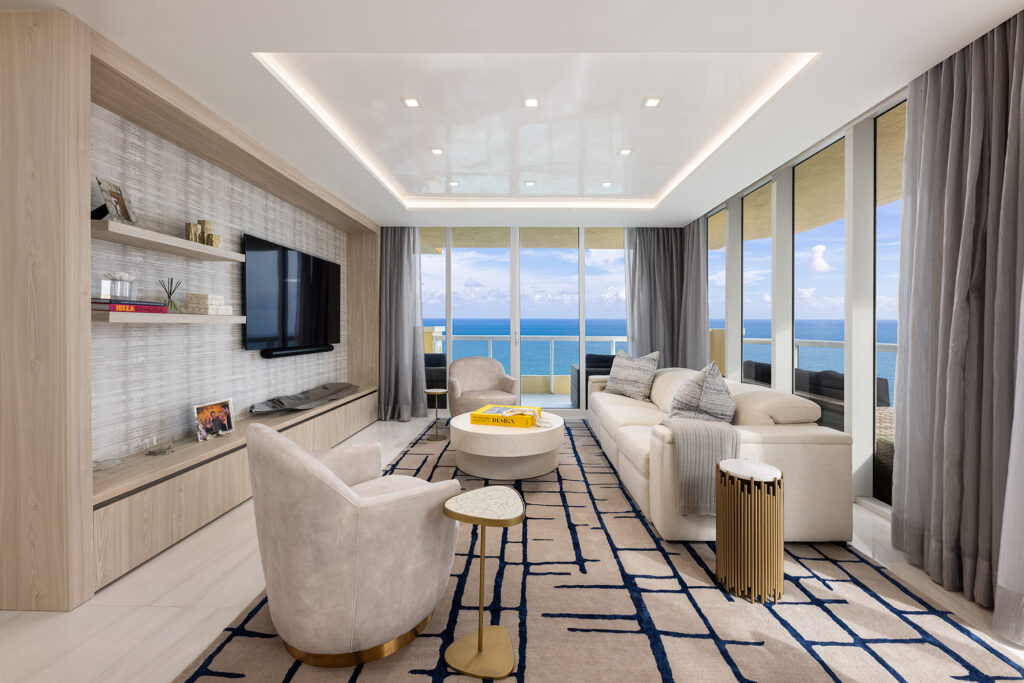
Neuroaesthetics in interior design is the reason some rooms settle you the second you walk in, before you’ve noticed a single piece of furniture. The light lands softly. A wall curves where you expected a corner. The wood under your hand is warmer than it looks. Nothing flashes, nothing competes for your attention, and nothing makes you wonder where to sit.
What makes a room neuroaesthetic is where its decisions come from. The field studies how the brain responds to beauty, proportion, color, form and complexity, and design turns those responses into choices you can plan: how often a pattern repeats, where the eye should land first, how soft an edge should be. It’s built on how people actually react, not on what’s trending this season.
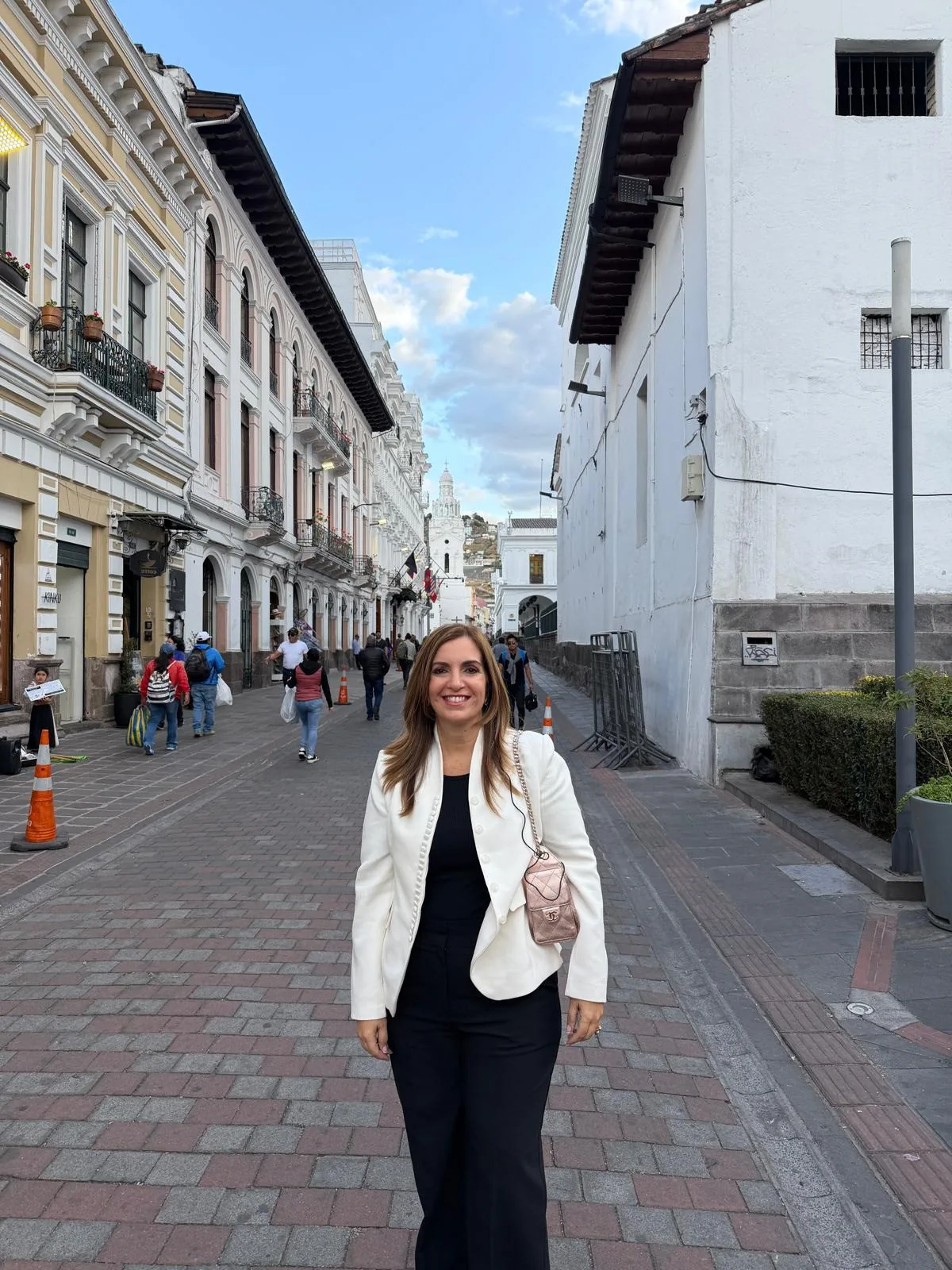
Sarah Zohar in Quito’s historic center during Adriana Hoyos Design Week Ecuador 2026.
The distinction that matters is felt versus seen. A room designed to be photographed wins in the first five seconds. A room designed to be lived in keeps working at eleven at night, when the photos are forgotten and you’re simply tired and home. One is an image. The other is an experience, and the difference is almost always decided before any furniture arrives.
The advantages are practical rather than mystical. Rooms read calmer, because the eye finds a rhythm instead of a dozen things competing at once. Spaces feel more generous, because soft edges don’t tell your gaze where to stop. And a home ages better, because choices rooted in how people respond don’t go out of style the way a trend color does.
Miami makes all of this harder, and more important. The light here arrives straight and bright most of the year, the salt air works on every finish, and the view of water is usually the most valuable thing in the room. A principle that’s charming in a showroom has to survive a south-facing living room in Sunny Isles or Bal Harbour.
In September, Sarah Zohar, founder and lead designer of Sarah Z Designs, took these ideas to Quito for the first Adriana Hoyos Design Week Ecuador. What follows are six stops from that week, the five principles she presented on stage, and what each one means for a Miami home. Get the timing wrong, and the best of these ideas never makes it past the first round of drawings.
Calderon: Where Every Piece Begins
At 2,850 meters, Quito’s light arrives clean and high over the Andes, sharpening every white wall. It set the stage for four days, September 15 to 18, conceived not as a trade fair but as an immersion into where a furniture house actually comes from.
The week opened at the Adriana Hoyos workshop in Calderón, beneath a mural that reads Visión, Diseño, Evolución, Legado. Frames joined, woods matched, upholstery tailored by hand. Founded in Ecuador by Adriana Hoyos and Eduardo Pérez, the house celebrates its 30th anniversary this year, with showrooms across Latin America, the United States, Europe and the Middle East.
What we value in a visit like this is patience. A finish sanded and sealed again reads differently under your hand, and your body notices even when your mind doesn’t. That’s the whole field at its most basic: the things you can’t name are often the things you feel most.
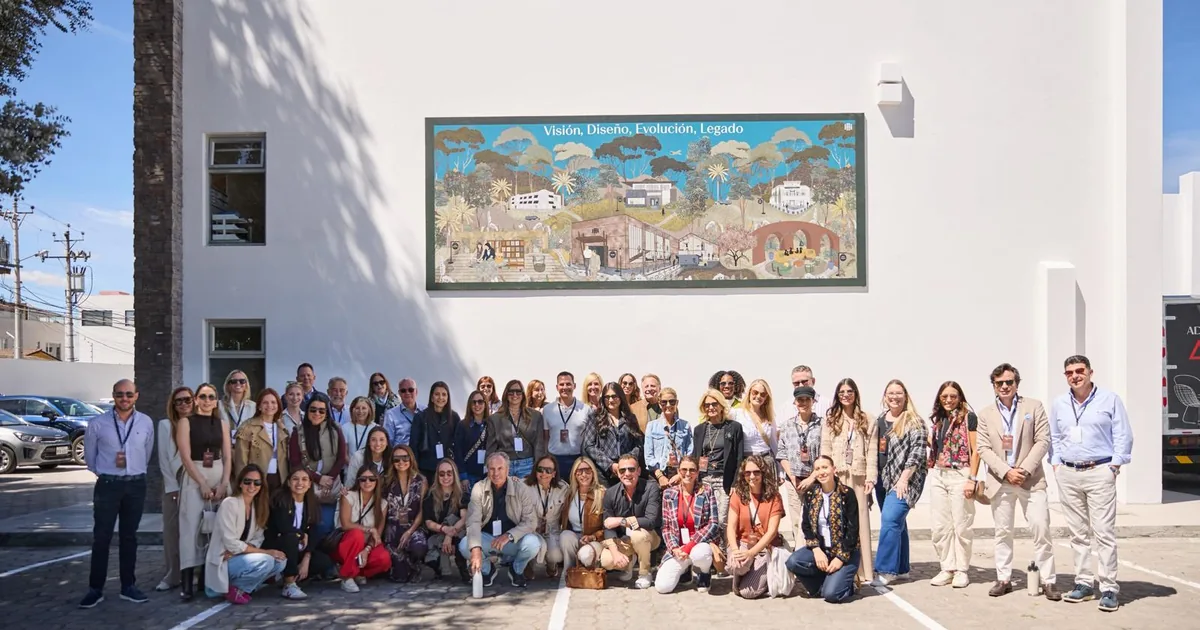
Designers and partners before the mural Visión, Diseño, Evolución, Legado at the Adriana Hoyos workshop in Calderón.
The Historic Center: A Lesson in Layered Beauty
Quito’s historic center was among the first places inscribed on UNESCO’s World Heritage List, in 1978, and it’s a masterclass in rhythm and proportion. Carved façades. Wrought-iron balconies. A steady cadence of tall windows marching down every street.It’s order that feels calm rather than rigid, and that’s the lesson. Repetition is what makes an old street readable. The same window, the same balcony, the same spacing, again and again, until your eye relaxes into the pattern and stops working so hard. We use the same idea at home, in a quieter form: cabinetry fronts that line up across a whole wall, ceiling details that echo the rhythm of the windows, shelving spaced so evenly it almost disappears. You can see it in our recent Sunny Isles and Bal Harbour residences, where the calm usually comes from what repeats, not from what stands out.
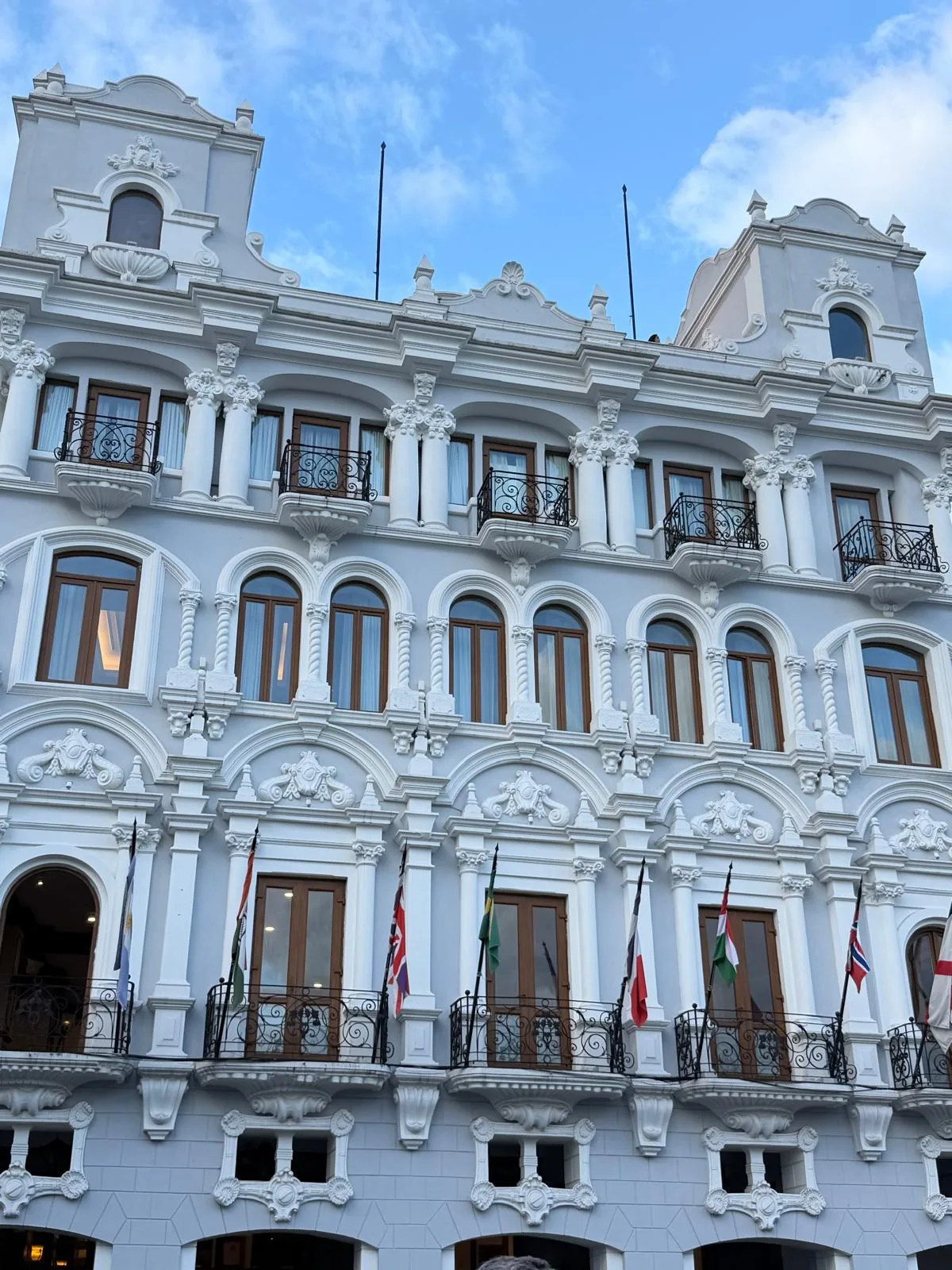
A Republican-era façade in Quito’s historic center: repetition that reads as calm, never rigid.
Curves Beneath a Gilded Ceiling
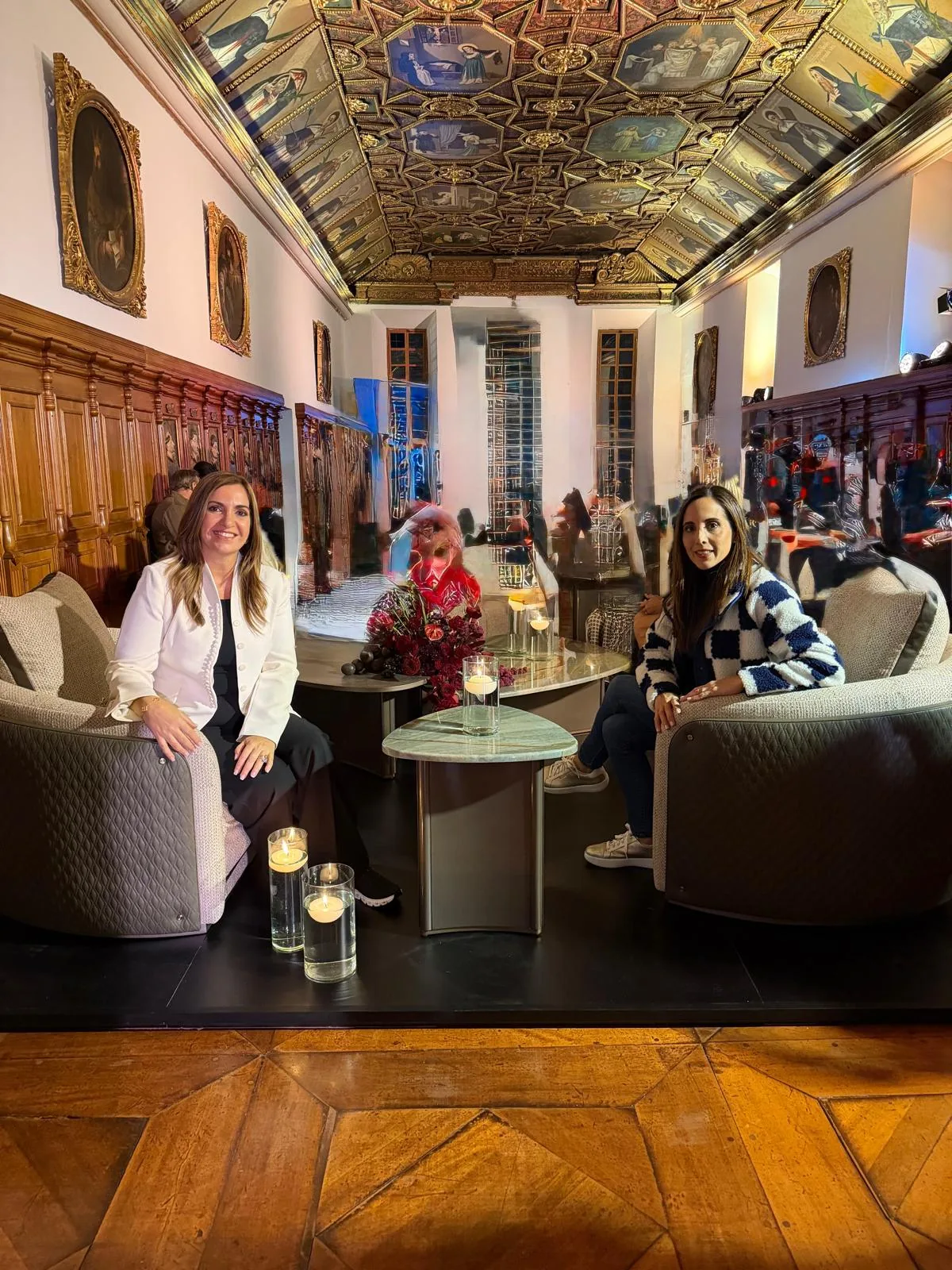
The preview of the new PRIVÉ collection placed enveloping curved armchairs, quilted and richly textured, and tables of veined green stone beneath a colonial coffered ceiling of gilded wood. Soft curvature against strict geometry, in the same room.
The most memorable interiors hold a tension like that between opposites, then resolve it through material and touch. A ceiling this ornate would feel heavy with square, hard-edged seating beneath it. The curves are what let you sink in and stay for a second glass.
Curves are also where timing matters most. A curved chair can arrive next week. A curved wall, a rounded island end or a soft ceiling edge has to be drawn into the plan before anything is built, which is why we’ve written separately about the five biophilic curves that make luxury homes feel calm.
“The art of transforming a space lies in creating an experience that is felt as much as it is seen.”
SARAH ZOHAR
The Talk: Five Tools, Not Five Instincts
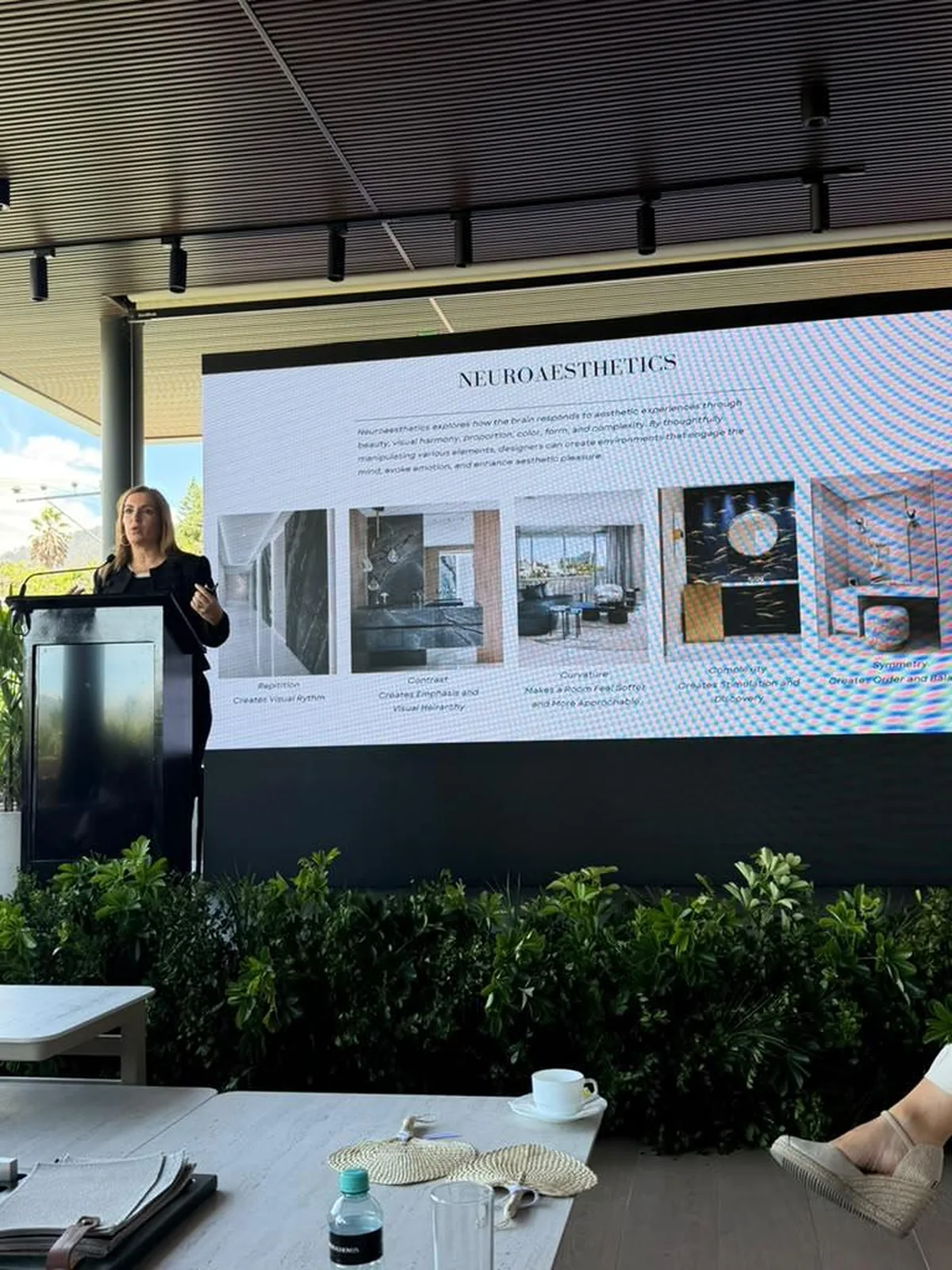
On stage, Sarah’s talk, Transformative Spaces: Design, Emotion, and the Human Experience, framed neuroaesthetics as a set of tools rather than instincts. The point wasn’t that good designers feel their way to a beautiful room. It’s that the feeling can be planned, and checked, before a single wall goes up.
01 Repetition creates visual rhythm.
02 Contrast creates emphasis and a clear place for the eye to land.
03 Curvature makes a room feel softer and more approachable.
04 Complexity creates stimulation and discovery.
05 Symmetry creates order and balance.
None of these works alone. Layered with daylight, living greenery and materials that invite your hand, they become the foundation of how we design in Miami, where the light is intense, the salt air relentless, and the water view often worth more than anything you’ll put in front of it.
Sarah Z Designs sets each room’s rhythm, focal point and curves on the first floor plan, before a single finish is chosen, because those three decisions shape how you move through a space long before they shape how it looks. We then test every room twice: once against the path people walk, and once against the view.
Clients walking through our portfolio of Miami high-rise and waterfront homes often assume the calm came last, in the styling. It came first, in the drawings.
The Library Where Rooms Get Decided
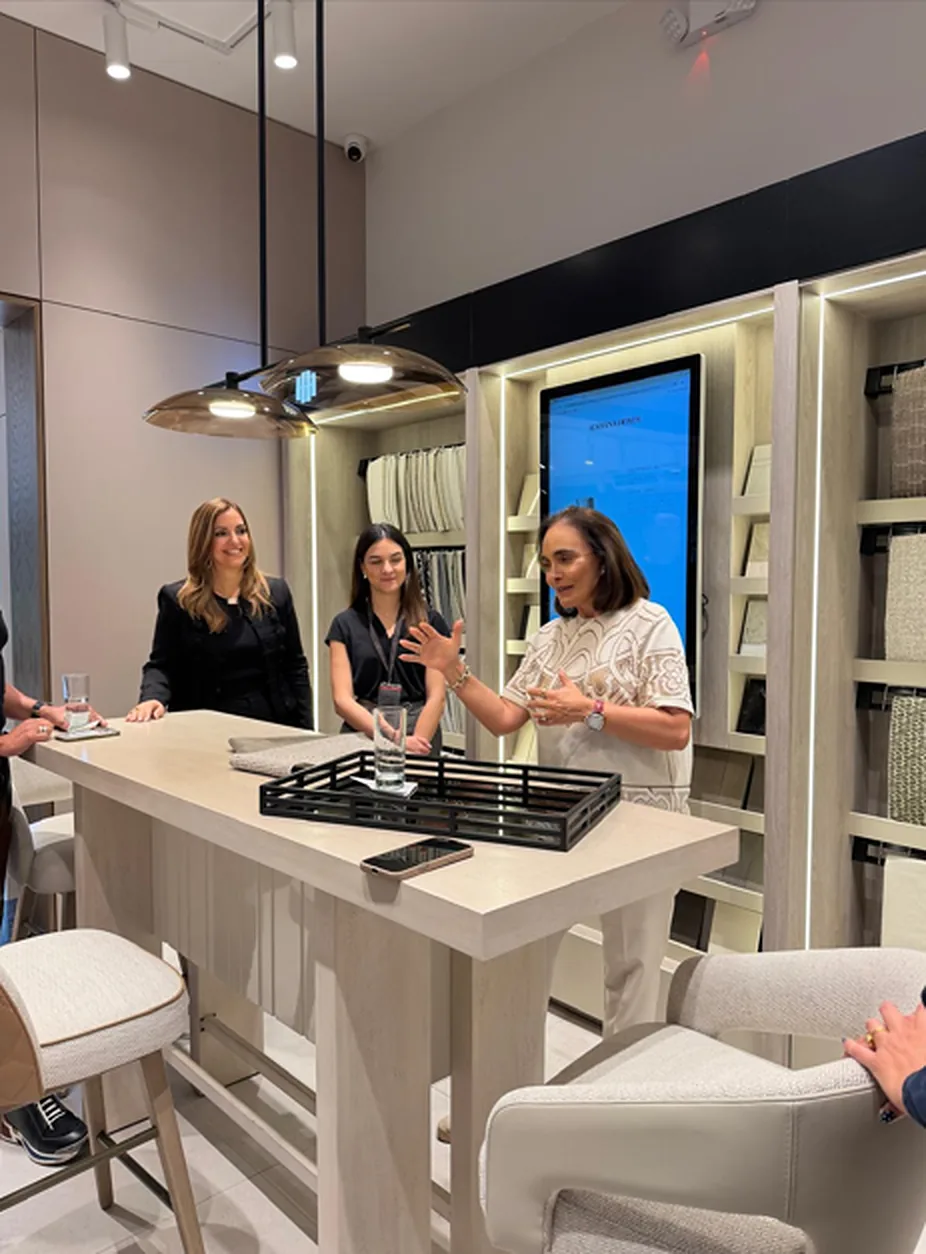
At the renovated flagship and brand museum in Cumbayá, three decades of collections met a material library of fabrics, leathers and finishes. It’s the kind of room where a project quietly gets decided, one swatch against another, in real daylight.
Conversations there on innovation and AI arrived at a shared conclusion. Technology speeds up the process, from renderings to sourcing. But how a space should feel still belongs to the person who has stood in it, touched the leather and watched the stone change color at four in the afternoon.
That’s why texture sits at the center of complexity, the fourth principle. A room needs enough detail to reward a second look, and not so much that it tires you. Milan made a similar argument this year, which we covered in our notes on tactile minimalism after Milan.
From Quito To Miami
The idea Sarah brought home is simple. Beauty that’s only seen fades into habit within a few months. Beauty that’s felt becomes part of how a family lives: where they gather, where they linger, which chair everyone quietly argues over.
The good version leaves a lot out. No trend color chosen to impress, no statement piece fighting the view, nothing you have to explain to guests. It’s the same restraint behind how we design in shades of white, where the quiet is the whole point.
That’s the durability argument for neuroaesthetics in interior design. Trends are borrowed from a season; how people respond to rhythm, light, curves and texture doesn’t change. It’s what we brought home to Miami from Quito, and it’s how we’ll keep designing.
Related Studio Insights
Continue exploring Sarah Z Designs’ work in biophilic luxury: